Managing a sustainable workload
 Approx reading time: 5 mins
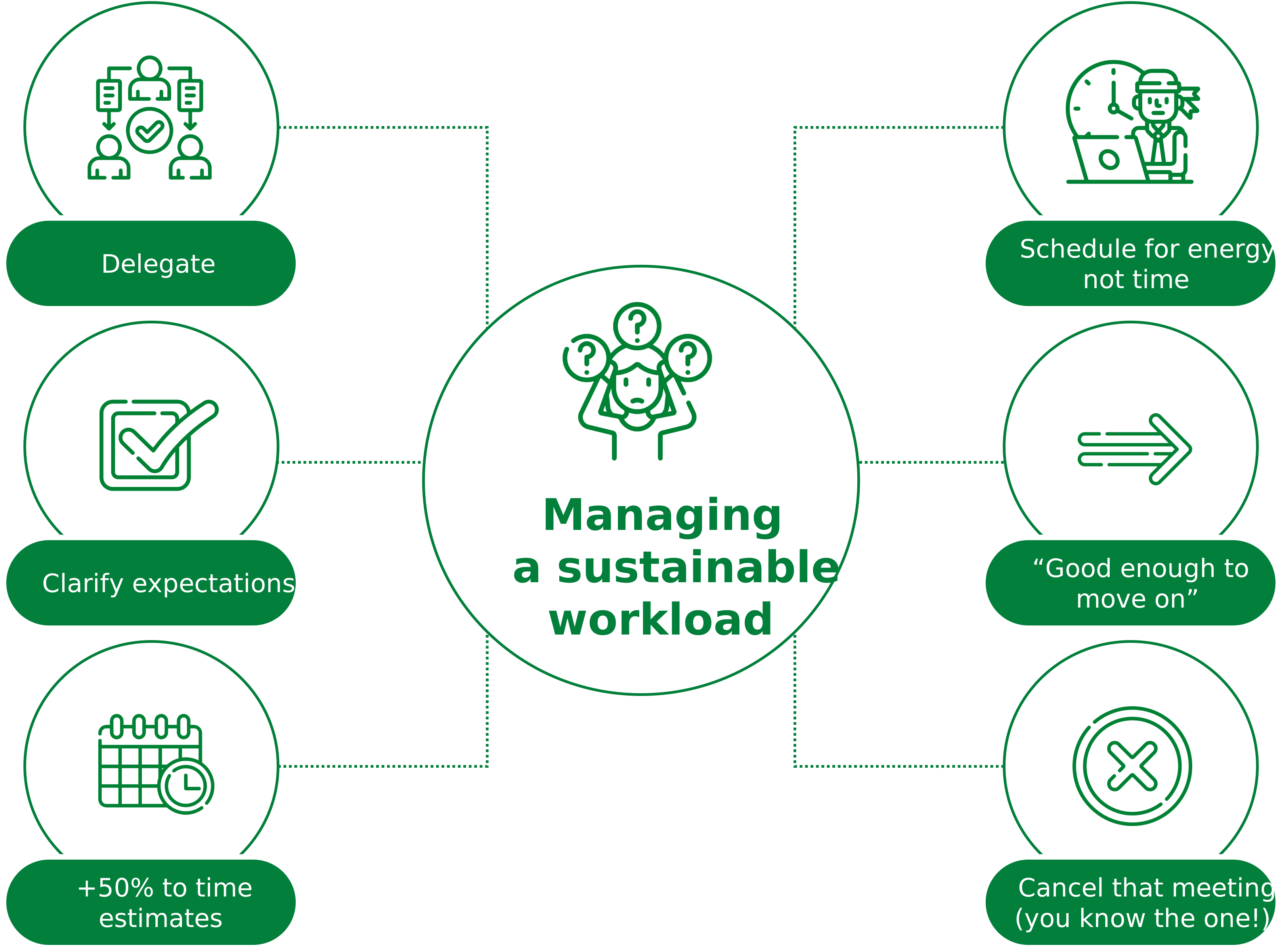
Sustainable workload management is essential for maintaining both performance and wellbeing—especially in environments where demands fluctuate and expectations are high. Without intentional boundaries and structure, even highly capable teams can drift into cycles of overwork, diminishing returns, and burnout. Sustainable working practices aren’t about doing less; they’re about doing the right work, in the right way, so that individuals can remain effective over the long term. By designing workflows that reflect human capacity, rather than idealised productivity, organisations create conditions where people can thrive, stay focused, and produce consistently high‑quality outcomes.
To achieve this balance, teams and individuals can adopt a structured six‑step model that ensures workloads remain healthy and manageable. First comes delegation, recognising that not every task requires your direct involvement and that sharing responsibility strengthens the team. Next is clarifying expectations, reducing ambiguity and preventing unnecessary rework by ensuring everyone understands what “success” looks like. Then, adding 50% to any time estimate creates breathing room and reflects the reality that most tasks expand beyond initial assumptions. Scheduling for energy, not just time, ensures that cognitively demanding work is matched with periods of high focus. Equally important is knowing when something is “good enough to move on”, avoiding perfectionism that drains time without adding real value. Finally, knowing which meeting to cancel safeguards time for meaningful work, ensuring that agendas—not habits—justify the need to gather.