3.1. The Ripple Effect Discussion
The Ripple Effect: how we behave as leaders impacts others

Permission giving - how we act, react and interact
How we influence others (often without knowing)
If you are rude, others will think it is okay to be rude!
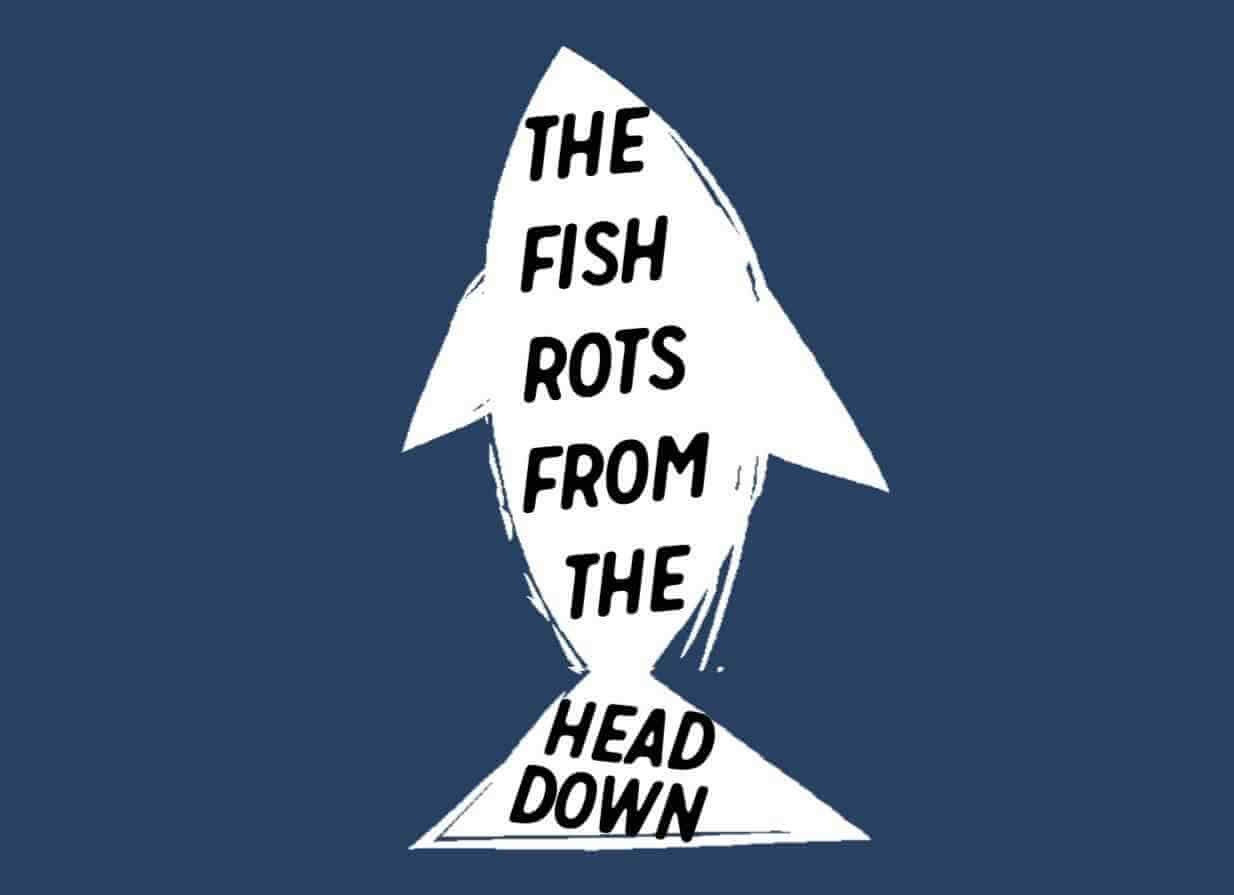
As the proverb goes, "A fish rots from the head down"
To build on the idea of leaders creating a ripple effect, we are now going to think about it in line with the work of the two social theorists – Jeremy Bentham (1785) and Thomas Mathieson (1997).
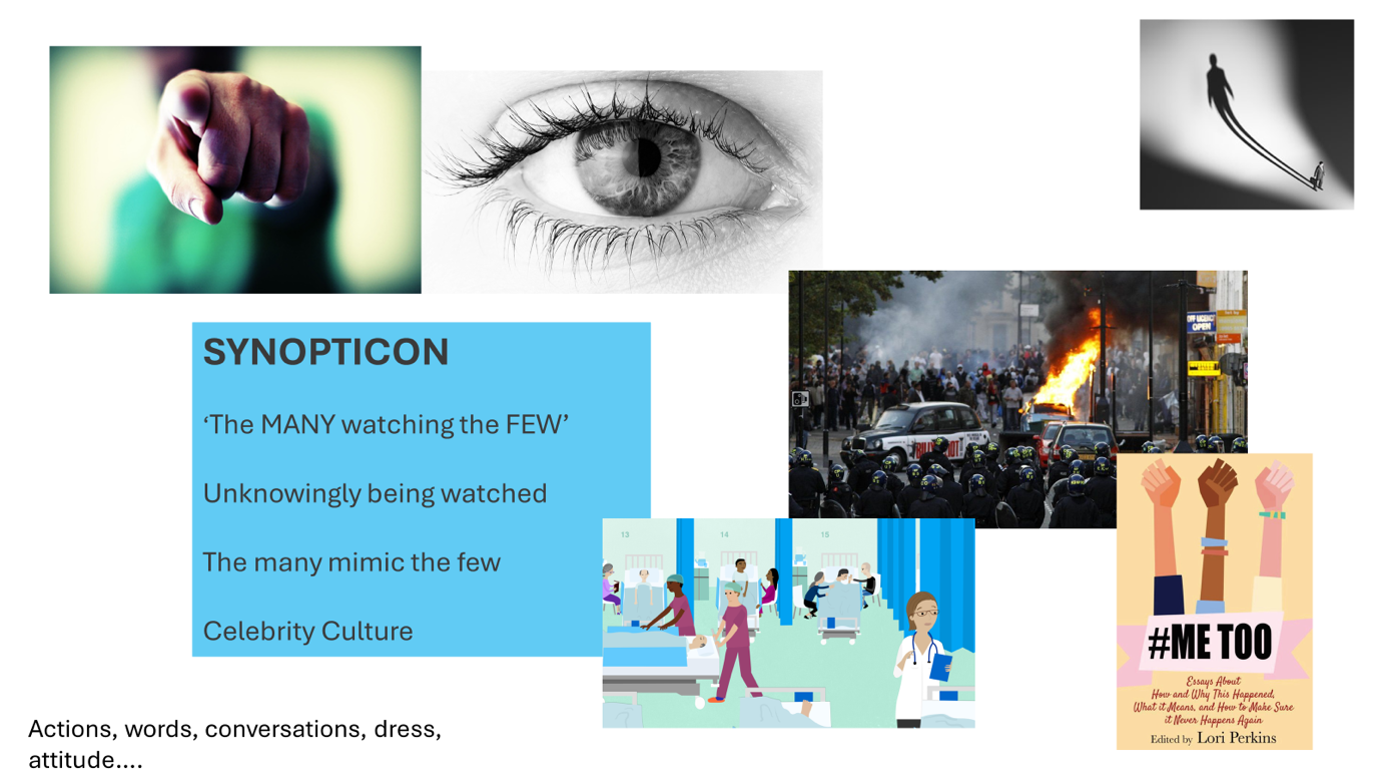
Bentham discussed the metaphorical concept of the panopticon – the few watching the many. This is where the philosophy of self-surveillance originates. The idea came from the design of a prison where there was a central tower with a view of prison cells surrounding this tower. The premise was that the prisoners were the ‘many’ being watched by the ‘few’. This meets with the the use of CCTV cameras on our streets, and more recently the use of body cams by clinicians in Emergency Departments. If the public believe they are being ‘watched’, they will behave accordingly.
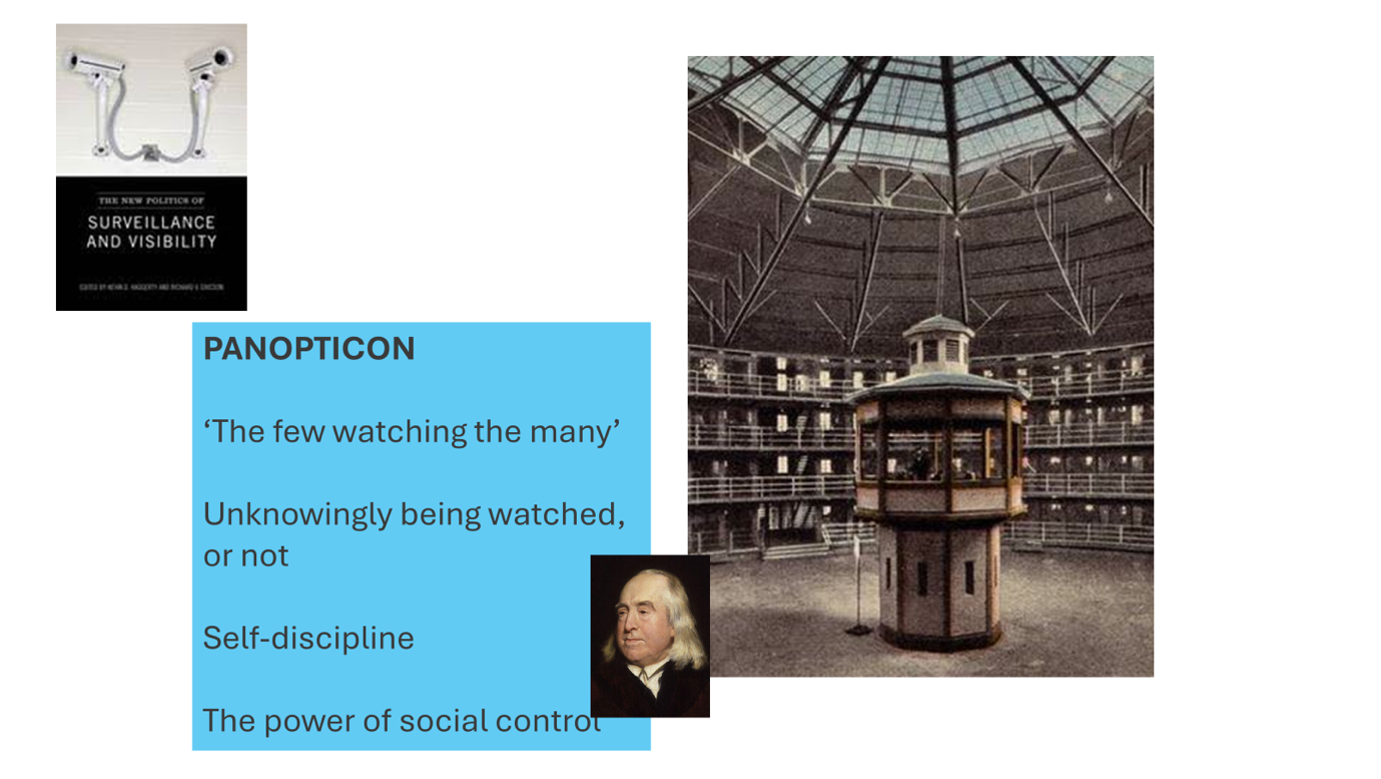
The opposite to this metaphor is the synopticon – the many watching the few. This concept is based on the work by the Danish social theorist Thomas Mathieson in the 1990s. His work considered the impact of a celebrity culture in society: How celebrities are the ‘few’ being watched by the ‘many’. If you think about a young person watching their favourite football player and wanting the same football boots; or their favourite pop star on stage and wanting to dress like them.
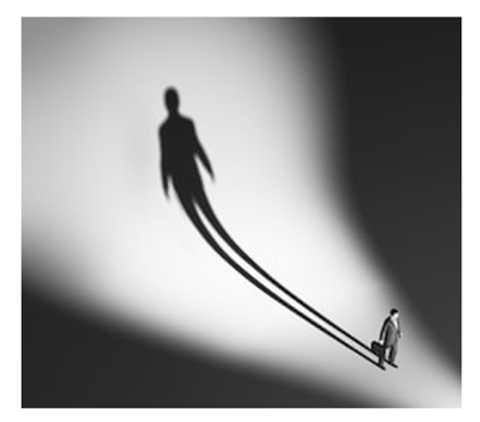
Taking these two metaphorical concepts, they can be applied to the leadership – particularly in the case of health and social care. As leaders, we are one of the few being watched by the many. Leaders are the celebrity in the contexts that they work. In public settings, it is not just the leaders who are being watched; all staff are being observed by patients, visitors, contractors and other staff. We are all casting our own shadows which then impact the ripple effect of ‘how things are done around here’.
Ripple effect and casting our own shadow
Panopticon versus Synopticon
Think about a patient on a hospital ward. Who are the people that interact with the patient? You have the nurses, doctors, catering team, cleaners, porters, visitors.... Whilst we are all undertaking our jobs, all of these people are watching our behaviours. Therefore, if we are rude or inconsiderate to someone, this shadow that we impart then has the potential of creating a ripple effect.
Returning to the old English proverb shared at the start of this discussion – a fish rots from the head down – as leaders, if you behave inappropriately, undertake a task in a haphazard manner, address someone in a rude manner, you are potentially therefore giving others ‘permission’ to act and behave in this way.
Now watch the video in the next activity (3.2, The Ripple Effect) before returning here to address the questions below.
Activity:
Considering the idea of the shadows you cast, along with other leaders in your organisation, please take time to reflect on your experiences based around this concept..
Can you think of a time when your behaviour has affected a patient’s care or experience? Or a time it may have affected how your peers work with you?
Would you do anything differently next time?
Make notes in your learning journal and use your Tutor Group discussion forum to share your stories and to read and comment on what others are saying.