Change impact analysis
 Approx reading time: 5 mins
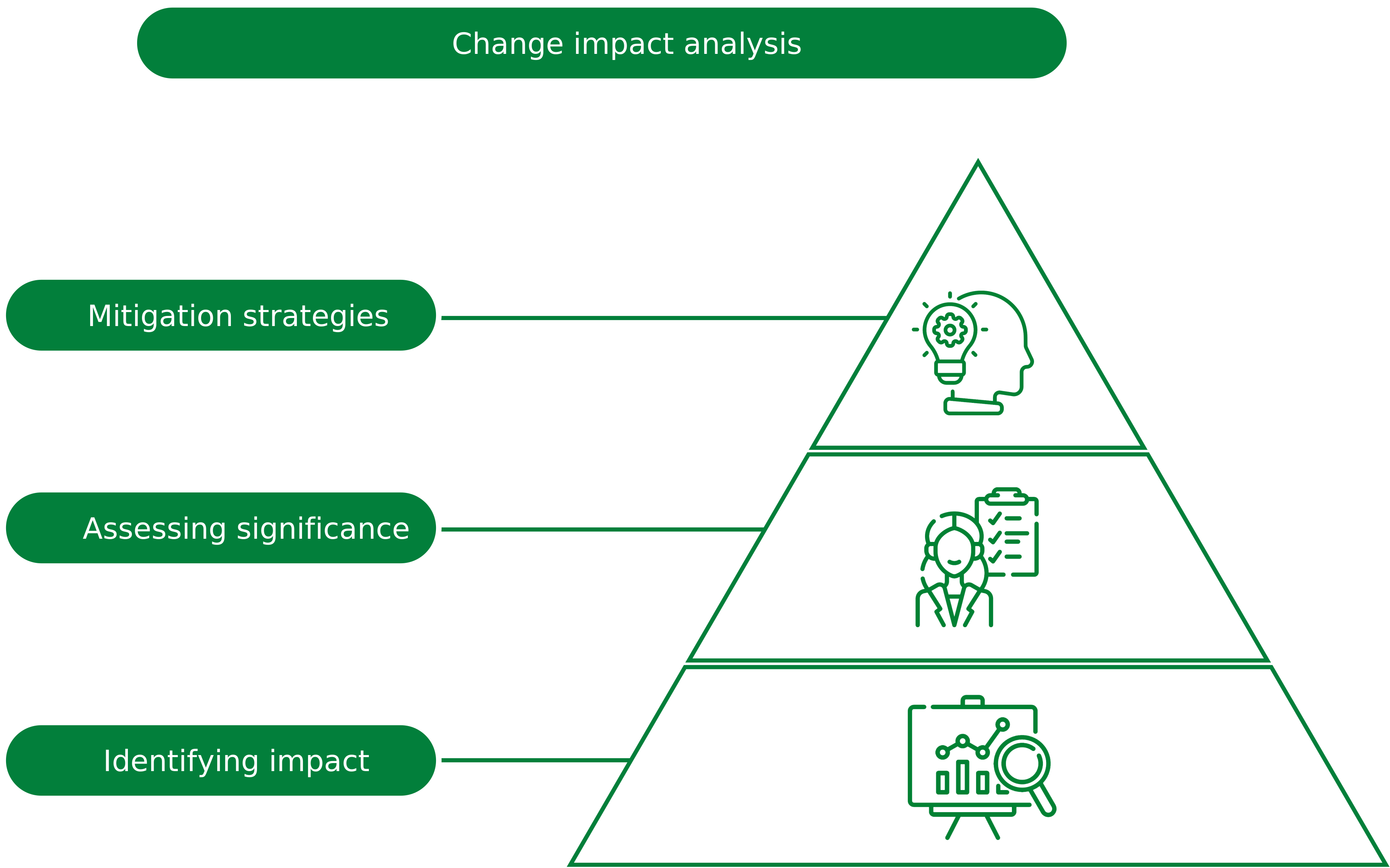
1. Mitigation Strategies
Mitigation strategies are essential once the potential impacts of a change have been identified. Their purpose is to reduce risk, minimise disruption, and ensure a smoother transition for all individuals and teams affected. Effective mitigation typically involves developing targeted interventions, such as additional training, revised workflows, improved communication plans, or temporary resource support. The aim is not only to reduce negative outcomes but also to increase confidence and capability among those experiencing the change. Clear ownership is important: designating who is responsible for each mitigation action ensures accountability and prevents gaps. By planning proactive strategies early, organisations can significantly reduce resistance, confusion, and operational delays.
2. Assessing Significance
Assessing the significance of change involves determining how deeply a proposed change will affect people, systems, processes, culture, and outcomes. This assessment helps prioritise where attention and resources need to be focused. Factors that influence significance include the scale of the change, its visibility, the extent of behaviour or skill shifts required, and the criticality of the processes involved. A highly significant change may require extensive training, strong communication planning, and ongoing support, whereas lower‑impact changes may only need minimal reinforcement. Assessing significance also includes evaluating the likelihood of risks materialising and the potential consequences if they do. This enables leaders and project teams to make informed decisions and allocate effort where it will have the Greatest effect.
3. Identifying Impact
Identifying impact is the foundational step in change impact analysis. It starts with mapping who will be affected, how they will be affected, and what aspects of their work or experience will shift. Impacts can be practical—such as new systems, processes, or responsibilities—or they may be emotional, affecting confidence, workload, or professional identity. Identifying impact often involves reviewing process maps, analysing stakeholder groups, consulting subject matter experts, and gathering feedback from those closest to the work. By understanding the specific nature of the change for each group, organisations can tailor support and communication to meet real needs rather than assumed ones. The more thorough this identification phase is, the more accurate and effective the overall change strategy will be.