Module 1 - Understanding and developing leadership practice
Section outline
-
Module overview
You will begin your Anderson journey (including Senior Leadership Apprenticeships) by critically evaluating your current leadership practice and the extent to which your work, and that of your colleagues, makes a difference to patient care. You will also explore the importance of self-awareness, resilience and self-care and review these aspects of your own leadership practice. The module will explore leadership theories and concepts, introducing you to what is known about how leadership affects the quality of care and the patient experience. You will apply theory in practice by exploring how your leadership can positively enhance care and challenge behaviours which have a negative impact.
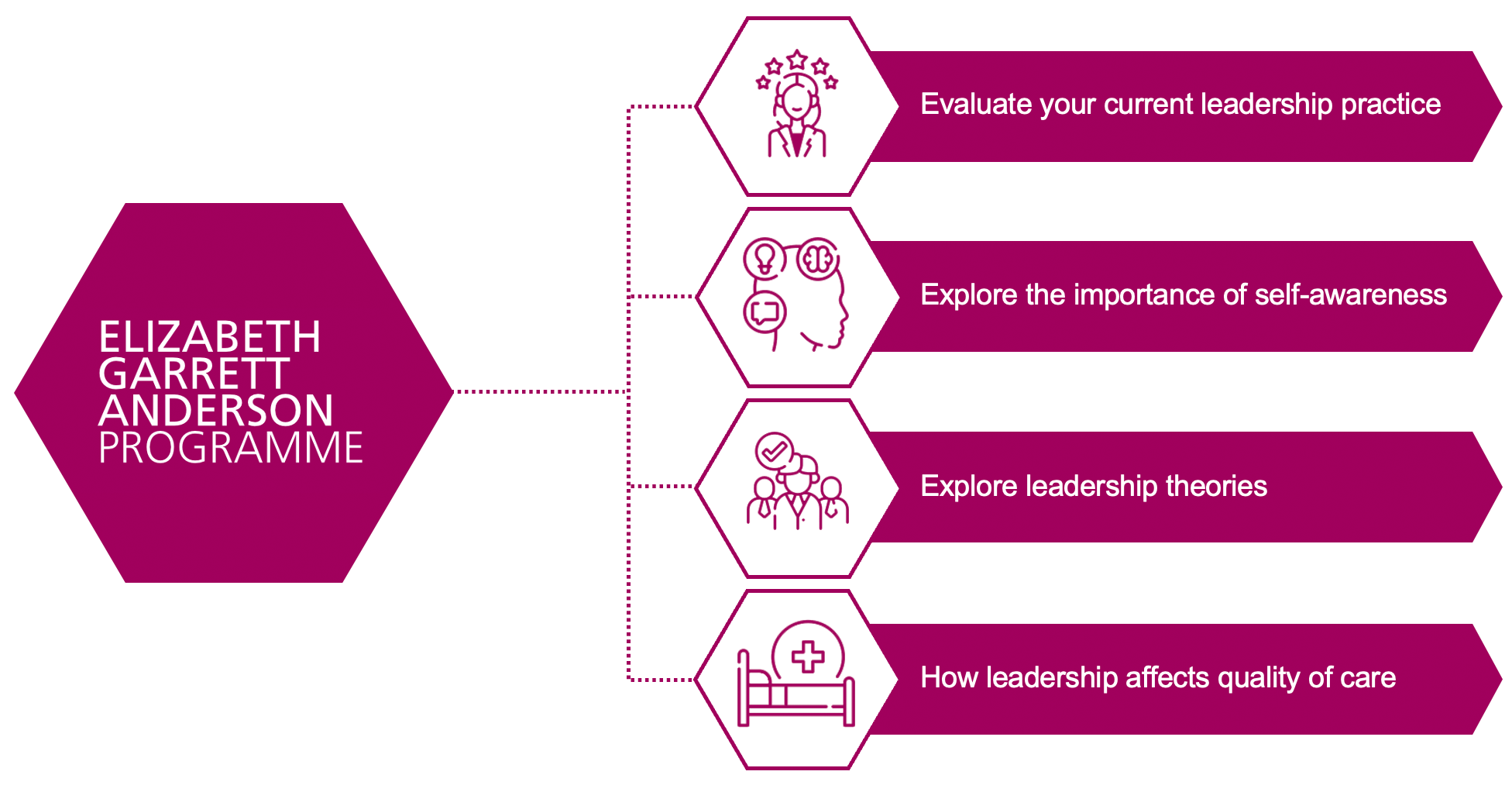
Programme golden threads
Running through all learning activities are three golden threads that reflect the fundamental values of the programme and are central to your leadership practice:
“Through my participation on the Anderson programme, I will demonstrate how I, as a leader working with my team, organisation and system, strive to:
- Understand equality, diversity and inclusion, and implement this proactively in my leadership
- Remain constantly in tune with how the quality of care provided to patients, service users and their carers matches what we would want for those we love
- Lead sustainable improvement of relevant services and processes to ultimately enhance patient care and population health.”
Planning your learning
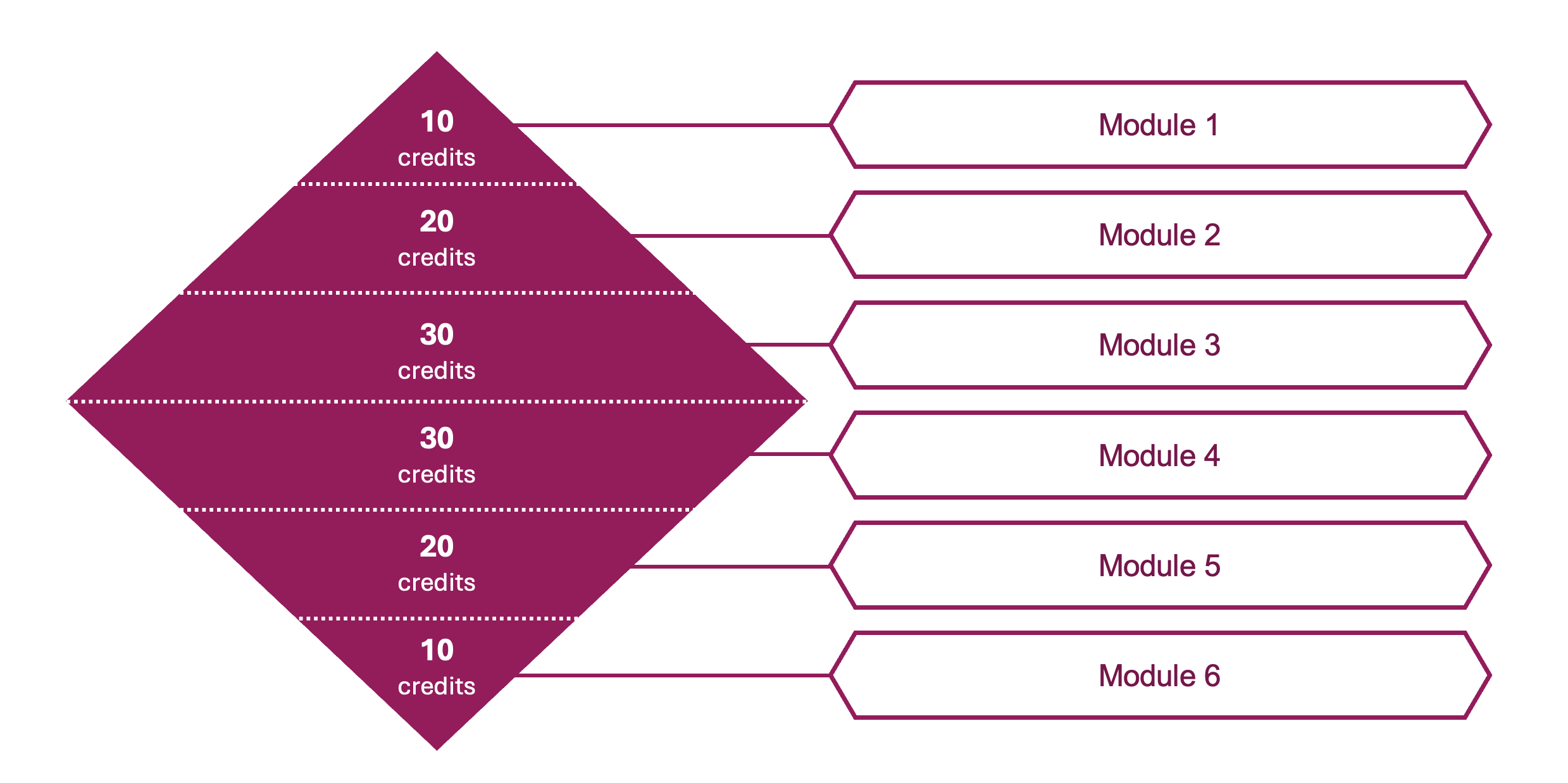
Module 1 is a four-week module worth ten credits. There are four topics of learning to complete; each topic represents one week of learning activity.
A scheduled virtual meeting will take place in Week 1 of this module, with your tutor and your tutor group, to go through all of the module learning activities and a schedule highlighting key activities, discussion groups and other virtual meetings, so you know what to expect and are able to plan your time accordingly. There will be the opportunity to clarify this further at your first Action Learning Set (ALS) (or Inquiry Application Group (IAG) for GMTS participants) meeting.
For apprenticeship participants, in the schedule of learning activities, we have provided prompts to log your OTJ (off the job) training in your apprenticeship platform; the indicative time each activity may take is provided in the schedule of learning activities.
Within this module, your tutor group will start to develop your understanding on how to generate evidence for your Evidence Portfolio. The knowledge and skills relevant for this module are detailed below, and behaviours are developed throughout all the programme across all modules.
If you are an apprenticeship participant, please refer to Module 0 to review the knowledge, skills, and behaviours relevant to this module. It is important to be clear about the KSBs that are linked to the Professional Discussion (Portfolio of Evidence) and the KSBs linked to the Strategic Business Proposal.
Learning outcomes
View learning outcomes
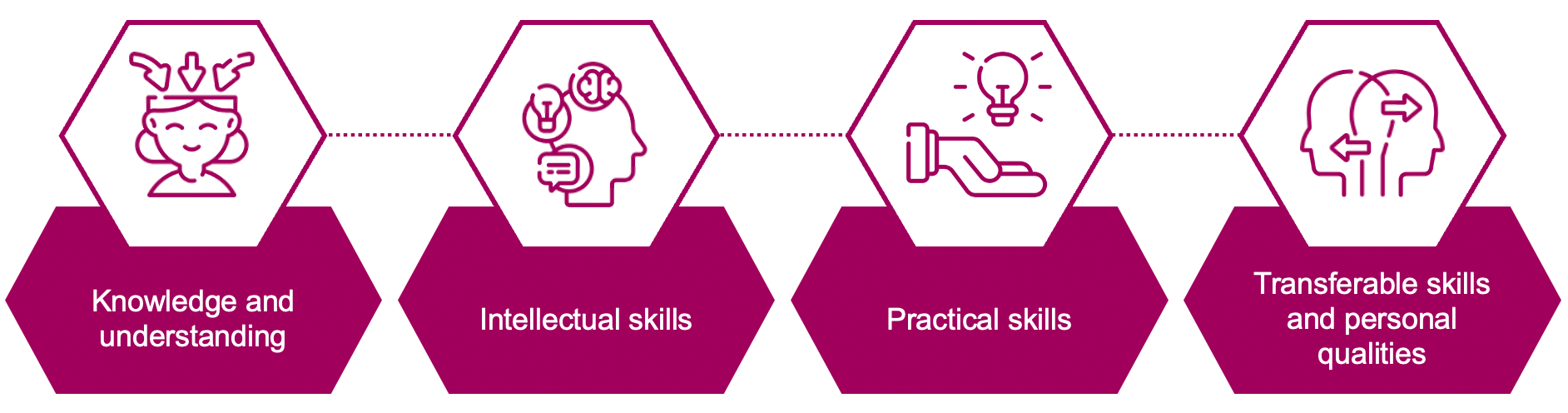
There are 10 learning outcomes for this module:
Category of outcome Learners should be able to: Knowledge and understanding
- Demonstrate systematic understanding of management and leadership theories and debates
- Demonstrate critical awareness of the theories and methods of reflective practice
Intellectual skills
- Critically apply management and leadership theories to your own leadership practice and in the context of change and leading for improvement
- Apply theories and methods of reflective practice
Practical skills
- Demonstrate practical use of appropriate management and leadership skills and approaches to improve the quality of patient care
- Demonstrate reflexivity in your leadership practice
- Demonstrate practical skills to embed diversity, equality and inclusion in your leadership practice
- Demonstrate how your leadership practice improves and sustains care quality
Transferable skills and personal qualities
- Undertake a critical reflection to demonstrate self-awareness, self-reflection, and management of self
- Identify development needs in relation to leadership practice
Developing your personal learning objectives
Take some time to review the Learning Outcomes for this module. Using your Skills Scan that you completed as you joined the programme, consider what you may wish to focus on in Module 1, for example:
- What are you particularly interested in within the module?
- How does this link to your work role and current projects?
Now develop some SMART personal learning objectives for this module and note them in your Learning Journal.
You may be familiar with the SMART mnemonic, if not here is a reminder – your goals need to be:
- Specific
- Measurable
- Achievable
- Realistic
- Time based.

Supporting documents
Below you will find some key documents to support your learning and reading throughout the module.
Module scheduled activities document is now published in your cohort area (it is no longer published with the module contents)
Module bibliography is now published in your cohort area (it is no longer published with the module contents)
-
Students mustMark as done
Your Anderson Learning Journal will function as a:
- Document repository
- Planning tool
- Reflective learning diary
- Progress tracking and monitoring
It is essential that you keep this journal up to date by ensuring you upload key documents and log progress with your learning
-
This checklist shows your progress through the programme (in a similar way to the green dots in the left-hand menu) with the addition of an overall percentage bar completion. As you click 'mark as done' on each activity, this list will automatically update to reflect progress.
(Tutors can see an overview of participant progress using the 'View Progress' tab and turning on progress bars.)