Moving from responsive to proactive practice
 Approx reading time: 5 mins
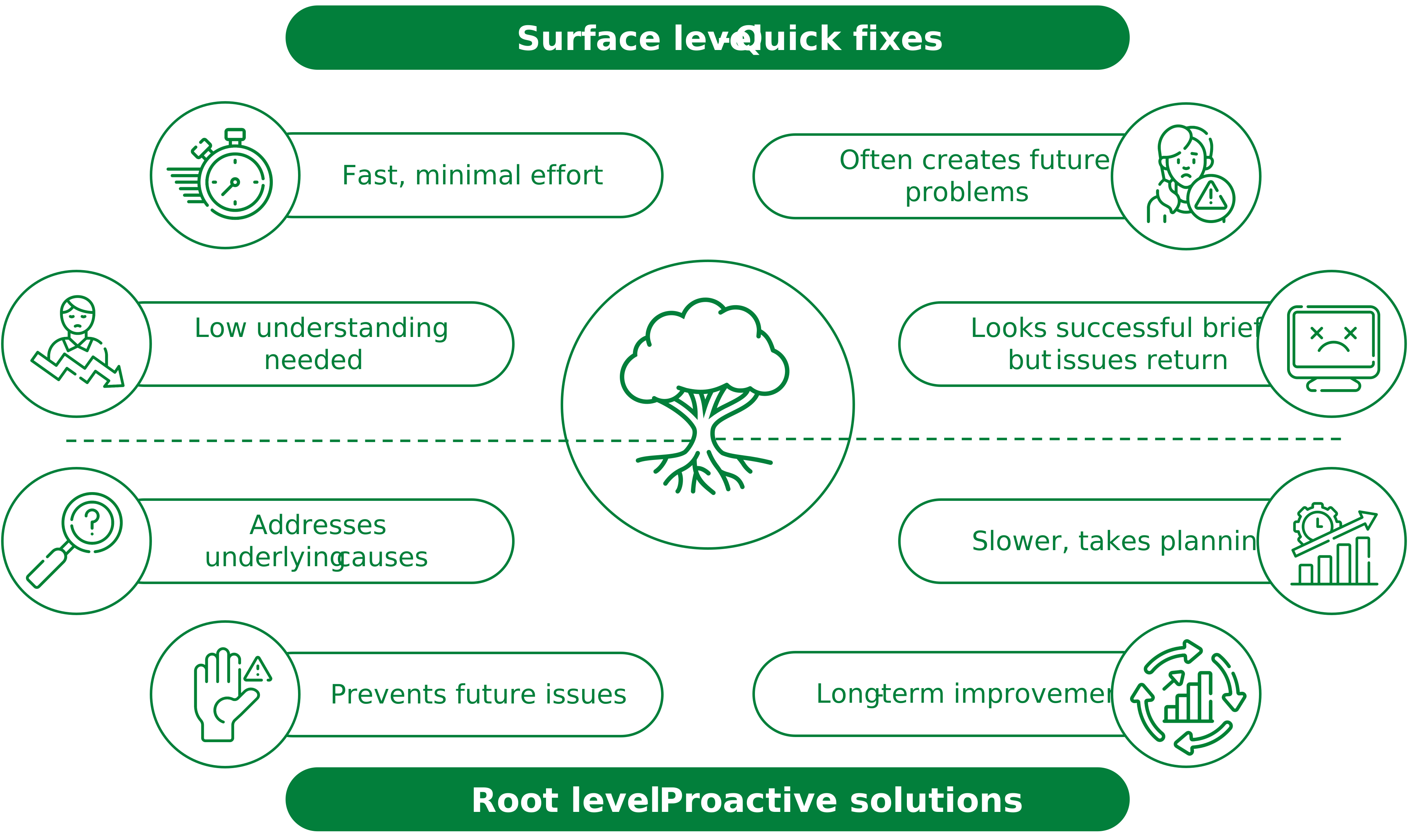
Quick Fixes vs Pro-active solutions - Work sustainably, not just quickly
When demand rises, it can feel natural to speed up and push harder. That approach can help in the moment, but it often creates hidden costs over time: fatigue, errors, frustration, and increased sickness absence. Sustainable planning helps teams protect patient care and staff wellbeing while still meeting service needs.
|
Sustainability means matching workload to capacity week after week, not just in a crisis The hidden cost of speeding up Pushing harder can help in the moment, but often creates fatigue, errors, frustration and increased sickness absence over time. What sustainable leaders do Focus on steady improvement rather than short bursts of overwork. Match workload to capacity. Reduce waste. Protect time for prevention. |
Proactive solutions vs reactive quick fixes
Know the difference
Reactive Quick Fixes |
Proactive Solutions |
|
✗ Working extra hours to meet a target without changing workload ✗ Cancelling supervision or breaks to "catch up" ✗ Saying yes to unrealistic deadlines to avoid challenge |
✓ Reviewing data to understand demand patterns and pinch points ✓ Redesigning how work gets allocated across the team ✓ Agreeing clear priorities and pausing low value activity ✓ Protecting time for documentation, planning, and supervision |
A helpful test - ask yourself:
- Does this action reduce pressure next week, or only today?
- Does it build team capacity, or use it up?
Negotiating realistic timeframes and resources
Negotiation is part of sustainable leadership. You can align expectations with reality, clearly and without conflict by using evidence, options, and shared goals.
1 | Start with evidence
Use both quantitative and qualitative data:
|
|
|
Use short clear statements "Our referrals increased by 18 percent in four weeks." "We currently have capacity to safely triage X referrals per day." |
2 | Define what "good" looks like
Link your request to outcomes that matter:
|
✓ Patient safety and timeliness ✓ Staff wellbeing and retention |
✓ Quality and consistency of documentation ✓ Safe staffing and professional standards |
|
"We can meet the intention of the 24 hour target, but we need a safe plan to sustain it." |
3 | Offer options, not obstacles
Give two or three realistic pathways:
› Phase in the target over two to four weeks
› Prioritise high risk referrals first, with a staged rollout for others
› Add temporary admin support or extra clinical sessions
› Reduce or pause low value reporting during the transition
|
"We can start with high risk triage in 24 hours from Monday, then expand once we confirm capacity." |
4 | Be specific about trade offs
If you add something, something else must change. Say this clearly and calmly.
|
"If we adopt this new turnaround time, we need to stop or reduce these tasks to protect safety." |
5 | Confirm agreements in writing
Summarise what you agreed, this protects clarity and reduces drift.
|
|